Society, Religion, and the Myths That Shape Women’s Experience of Infidelity
When a woman experiences infidelity, the pain is deeply personal—but her response is often shaped by something much larger than the relationship itself.
Society, culture, and religion all influence how women interpret betrayal, whether they stay or leave, and how they rebuild their lives.
Understanding these forces can help women release shame and make decisions based on truth rather than expectation.
The Cultural Scripts Women Are Given
From a young age, many women are taught that a successful relationship is central to their worth.
Common messages include:
- A good woman keeps her family together.
- A faithful wife should forgive.
- Divorce means failure.
- Mothers should sacrifice everything.
- Women are naturally more resilient.
These beliefs can cause women to suppress their pain and remain in unhealthy situations longer than they otherwise would.
Harmful Myths About Infidelity
Several myths continue to shape public attitudes toward betrayal.
Myth 1: Men Are Naturally Unfaithful
This idea suggests infidelity is inevitable and women should simply tolerate it.
Myth 2: Women Should Forgive Quickly
Forgiveness is personal and should never be rushed.
Myth 3: Staying Is Stronger Than Leaving
Sometimes the strongest decision is to walk away.
Myth 4: Infidelity Means You Were Not Enough
A partner’s betrayal reflects their choices, not your value.
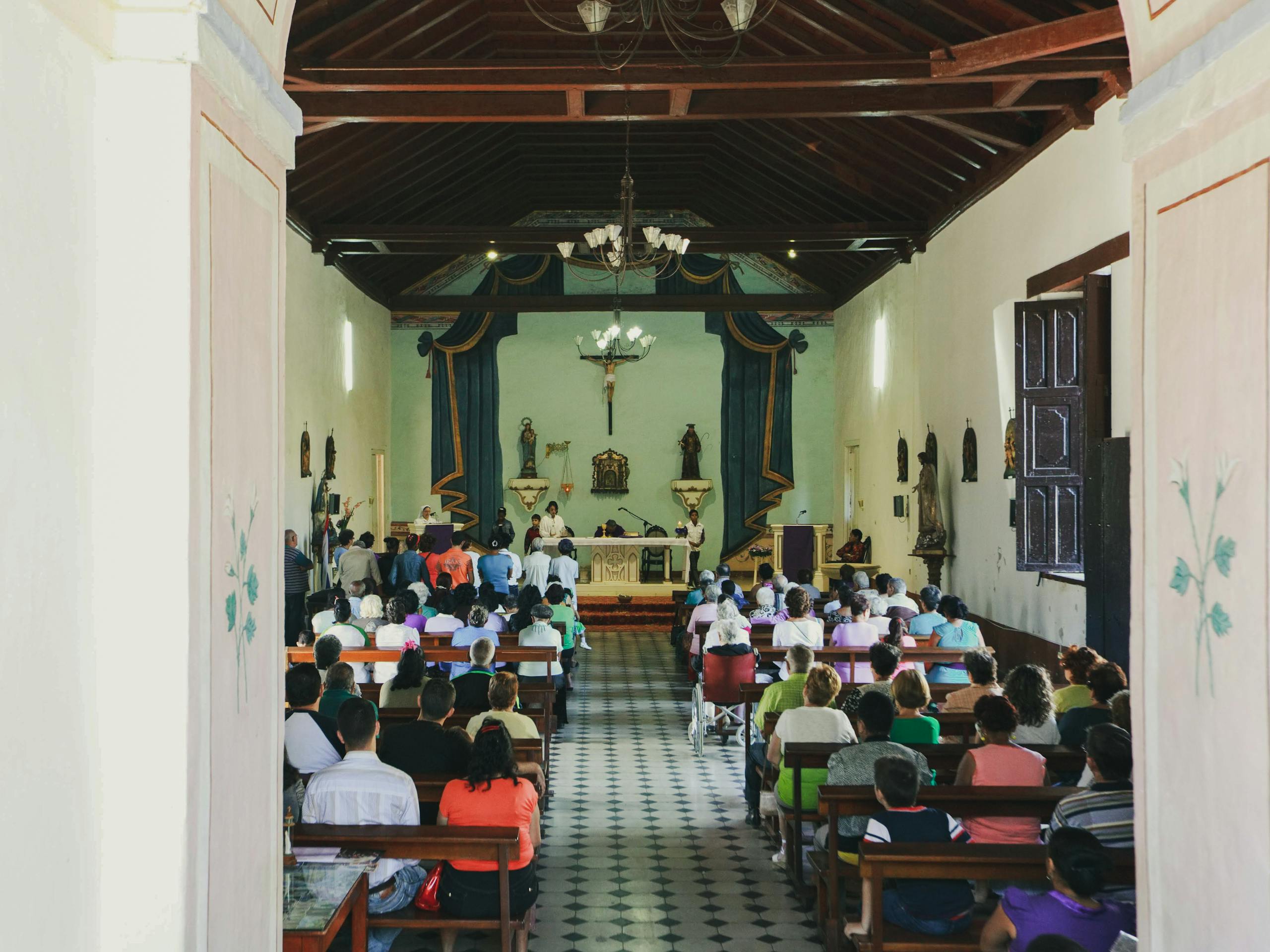
The Role of Religion
Most major religions condemn adultery and emphasise fidelity in marriage.
Christianity, Islam, Judaism, Hinduism, and Buddhism all view infidelity as a serious breach of trust and moral responsibility.
For Christian women, biblical teachings may provide comfort, but they can also raise difficult questions:
- Does God expect me to stay?
- Is divorce acceptable?
- How do I forgive?
Faith can be a source of healing when it is rooted in compassion rather than guilt.
Christianity and Healing from Betrayal
The Bible recognises both the sanctity of marriage and the reality of human failure.
Many women find strength in passages that emphasise God’s love, justice, and restoration.
Healing may involve:
- Prayer
- Pastoral counselling
- Christian therapy
- Scripture study
- Supportive church communities
God’s grace is not limited to preserving marriages; it also extends to restoring broken hearts.
When Religion Increases Shame
Sometimes religious communities unintentionally pressure women to endure betrayal silently.
Messages such as “pray harder” or “submit more” can invalidate the seriousness of infidelity.
Healthy faith communities should support women in seeking safety, truth, and healing.
Reclaiming Your Own Narrative
Recovery begins when women challenge inherited beliefs and ask:
- What do I truly believe?
- What aligns with my values?
- What does healing look like for me?
This process allows women to make decisions from a place of clarity rather than fear.
Final Thoughts
Infidelity is never experienced in a vacuum. Society, religion, and culture shape the stories women tell themselves about betrayal.
But women have the power to rewrite those stories.
Healing begins when they release harmful myths, embrace their worth, and choose a path grounded in truth, faith, and self-respect.